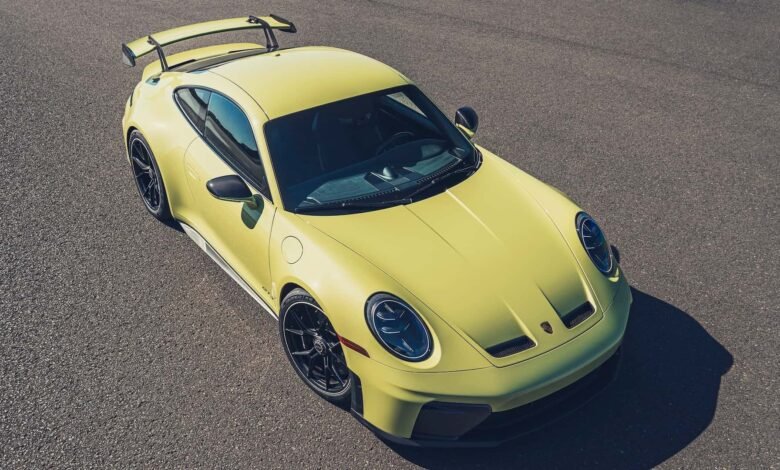
Purists, Look Away: The Next Porsche 911 GT3 May Be Going Turbo
Naturally aspirated engines are rapidly disappearing from Europe’s performance car landscape, and it’s not because manufacturers are eager to retire them. Increasingly strict European emissions regulations are forcing automakers to prioritize efficiency and lower CO₂ output, leaving very few production cars still powered by non-turbocharged engines. With even tougher rules approaching, that list is expected to shrink further.
The upcoming Euro 7 emissions standard is only part of the pressure. More significantly, automakers selling in Europe will be required to reduce fleet-wide CO₂ emissions by 55% by 2030 (compared to 2021 levels), and by an even steeper 90% by 2035. While limited flexibility is built into the system—allowing manufacturers to offset shortfalls across multi-year periods—the overall trajectory is clear: significant electrification and efficiency gains are unavoidable.
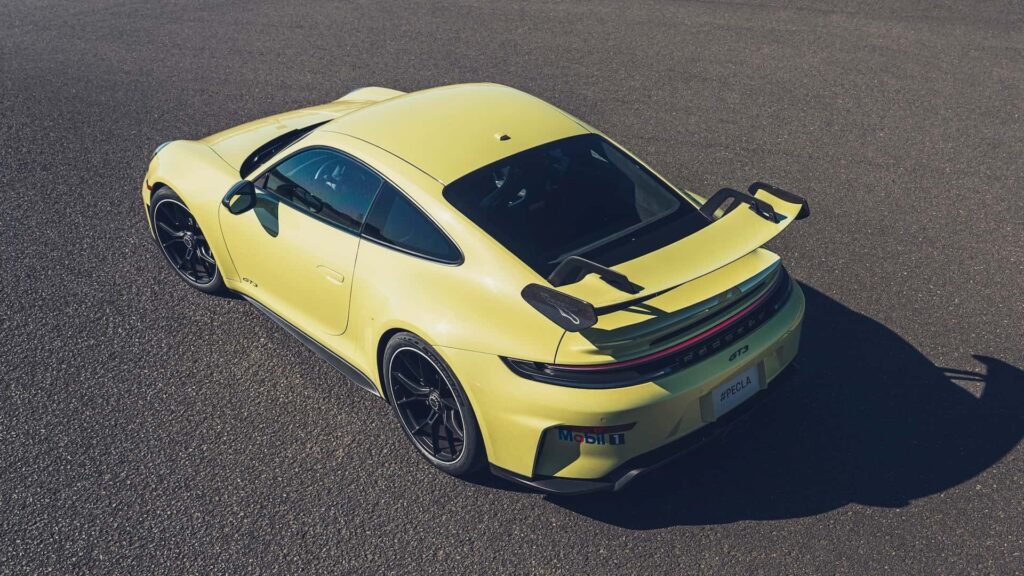
For Porsche, this presents a particular challenge. The brand remains one of the last stronghold supporters of naturally aspirated performance engines, especially in its GT lineup. Speaking to Car and Driver, Andreas Preuninger, who oversees Porsche’s GT division, acknowledged that change may be inevitable when asked about a turbocharged future for the 911 GT3. His response was cautious but telling: “It might be.”
He added that the current 4.0-liter flat-six is likely nearing the end of its regulatory lifespan in Europe, estimating it may survive “only a few more years without substantial modifications.” The outlook is somewhat more favorable in the United States, where emissions regulations remain less restrictive, potentially allowing Porsche to continue offering the naturally aspirated setup for a longer period.
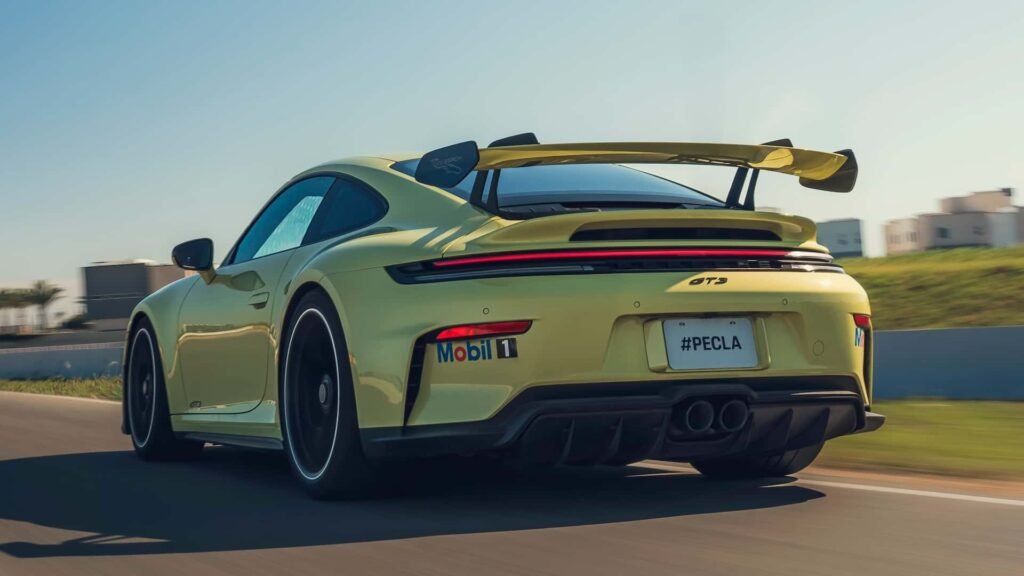
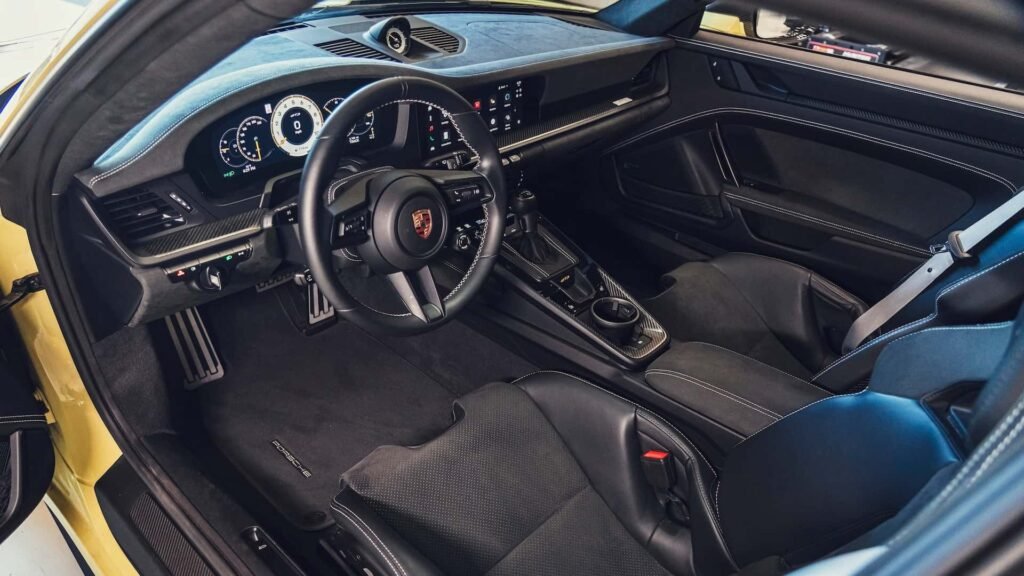
However, the long-term picture is less certain. While the current 992.2-generation GT3 may continue to be sold in select markets longer than others, developing region-specific versions is unlikely due to cost and engineering complexity. Porsche would face significant financial and logistical challenges if it attempted to maintain separate powertrain strategies for different regions.
This comes at a time when Porsche’s engineering resources are already stretched. The company is preparing the return of six-cylinder combustion-powered versions of the 718 Boxster and Cayman, reversing earlier plans to transition those models to full electric power. It is also developing a new combustion-engine successor to the first-generation Macan, alongside a new three-row flagship SUV.
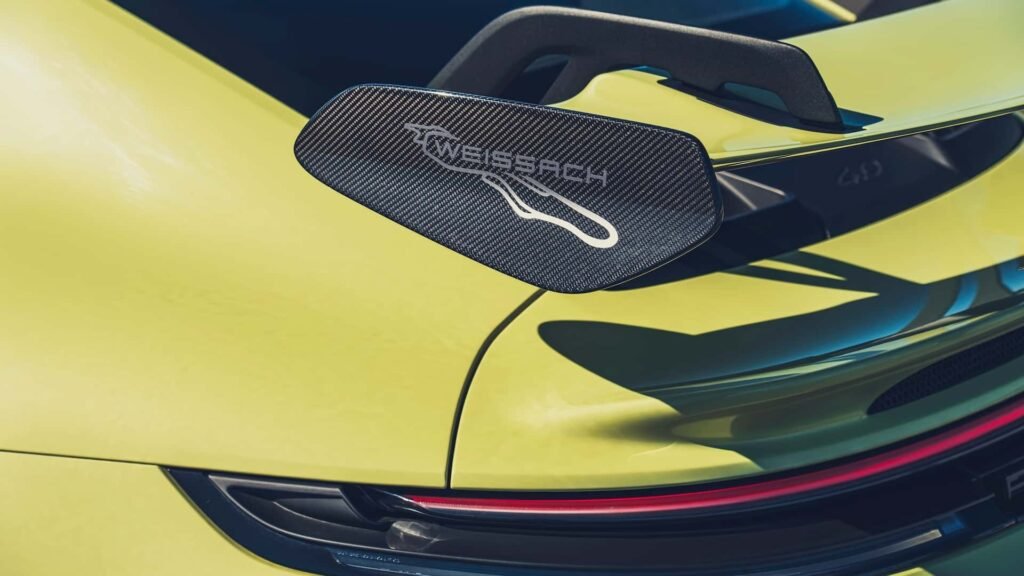
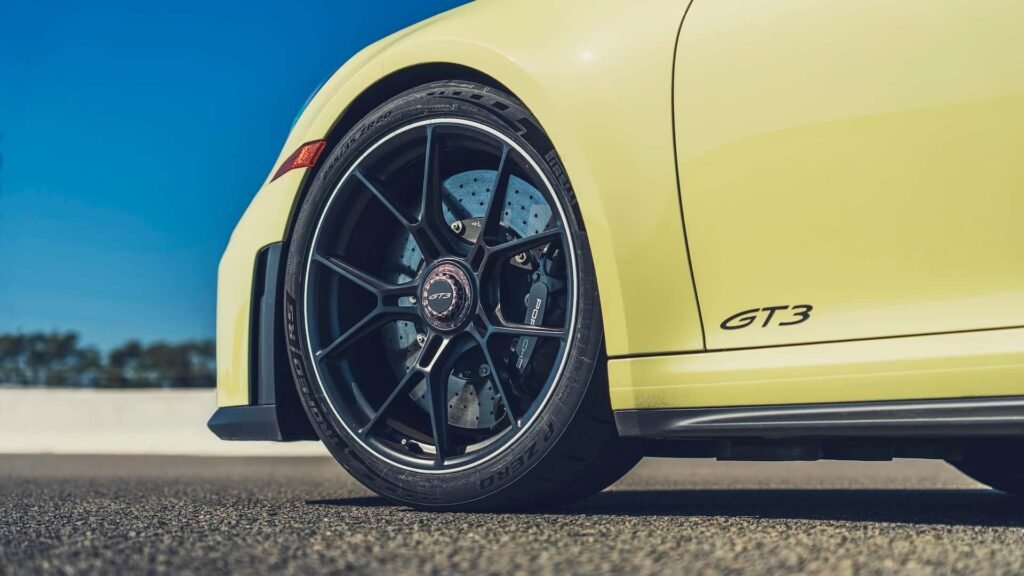
Despite these expanding commitments, Porsche’s direction for the 911 remains relatively clear. While hybrid assistance has already entered the lineup, a fully electric 911 is not expected within this decade. Even broader models such as the Cayenne and Panamera are set to retain combustion engines well into the 2030s.
Ultimately, the 911 will remain Porsche’s longest-lasting combustion model. But as regulations tighten further, even icons like the GT3 may have to evolve beyond their naturally aspirated roots.