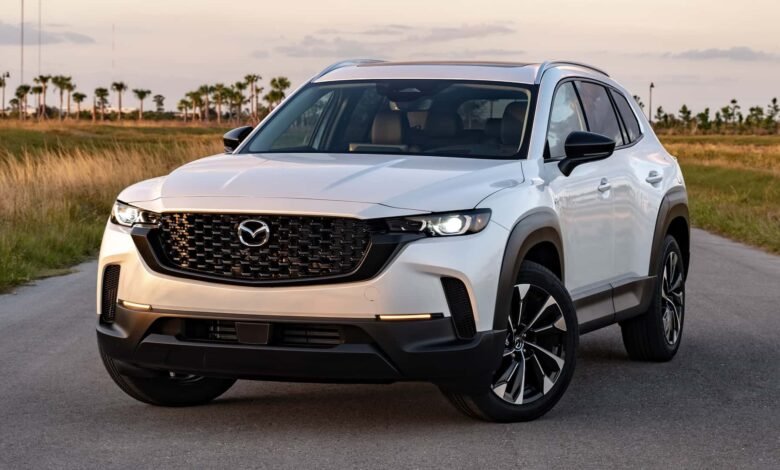
The Mazda CX-50 continues to gain traction in the competitive compact SUV segment, and recent sales figures reveal a clear trend in buyer preferences. With the addition of a hybrid variant, Mazda has broadened the model’s appeal—and customers are responding.
According to recent data, Mazda sold 110,345 CX-50 units in 2025, making it one of the brand’s top-performing models, just behind the Mazda CX-5. More than half of those buyers—51.9 percent—opted for the standard version equipped with a naturally aspirated 2.5-liter four-cylinder engine, totaling 57,372 vehicles.
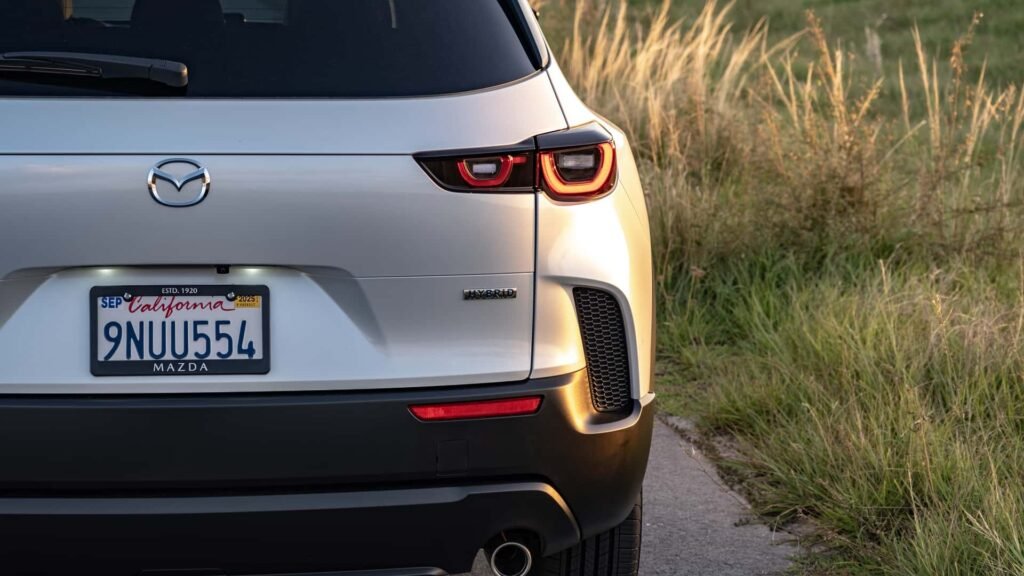
The hybrid model emerged as a strong second choice, accounting for 37.3 percent of total sales, or 41,130 units. With a combined output of 219 horsepower and an impressive fuel economy rating of up to 38 mpg, the hybrid strikes a compelling balance between performance and efficiency.
By comparison, the more powerful turbocharged variant attracted a smaller audience. Just 10.7 percent of buyers—11,843 units—chose the turbo model, which delivers up to 256 horsepower and 320 lb-ft of torque while maintaining a respectable 25 mpg combined.
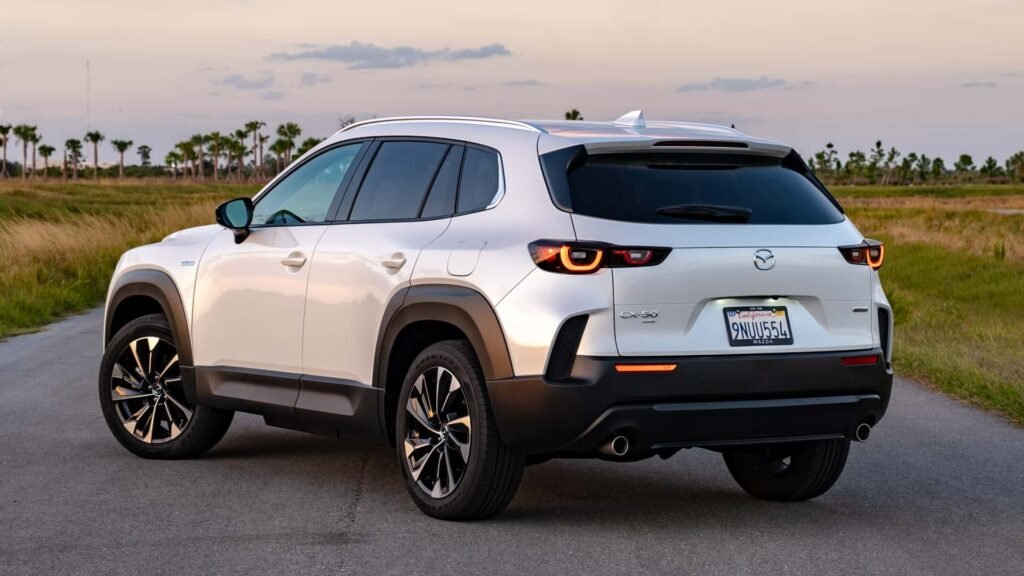
Introduced for the 2023 model year, the CX-50 positioned itself as a sportier alternative to the CX-5. Since then, it has steadily climbed the ranks to become Mazda’s second-best-selling vehicle. Its growing popularity is no surprise, given its competitive pricing and versatile lineup.
The base CX-50 starts at $31,395 (including destination), offering 187 horsepower and a combined fuel economy of 26 mpg. Meanwhile, all 2026 models come standard with all-wheel drive, adding to the SUV’s appeal across all trims.
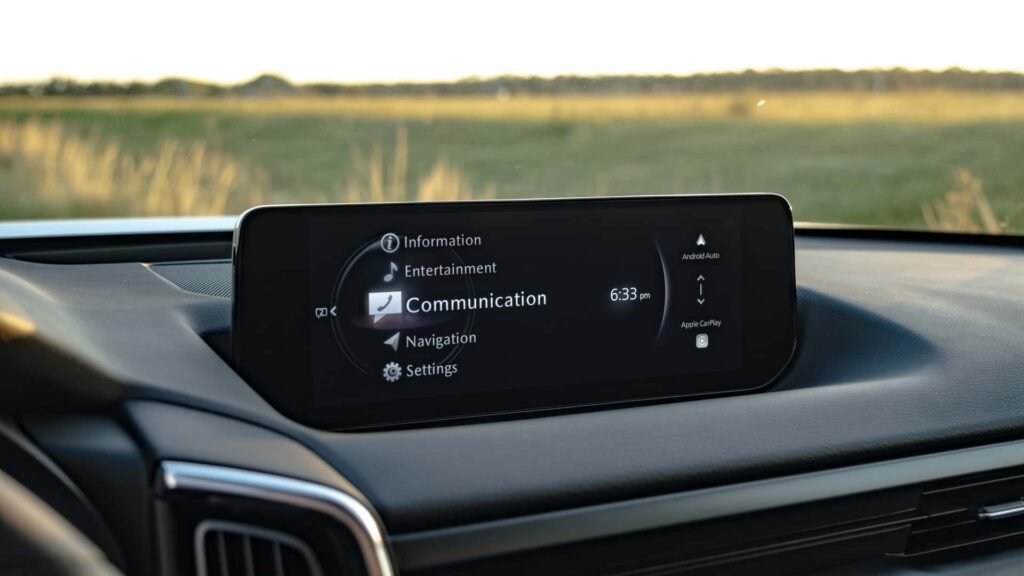
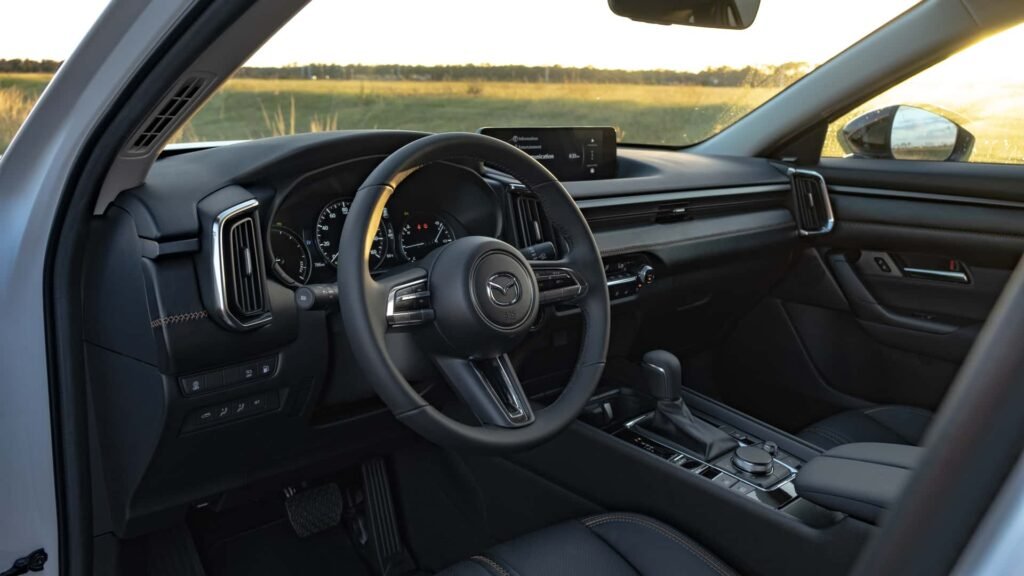
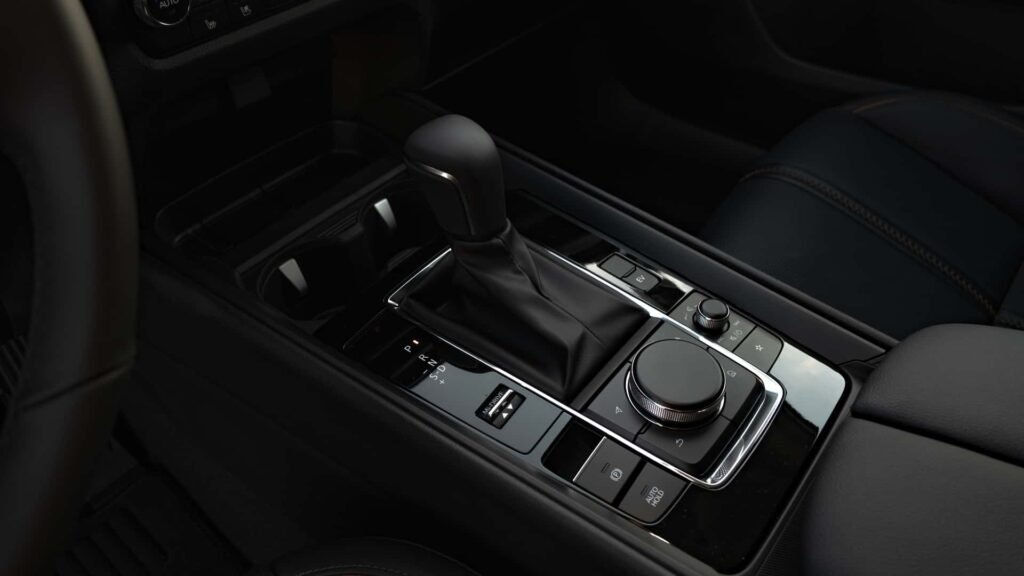
Overall, the CX-50’s success highlights a clear pattern: buyers are gravitating toward either the affordable entry-level model or the fuel-efficient hybrid, while the performance-focused turbo remains a niche choice.