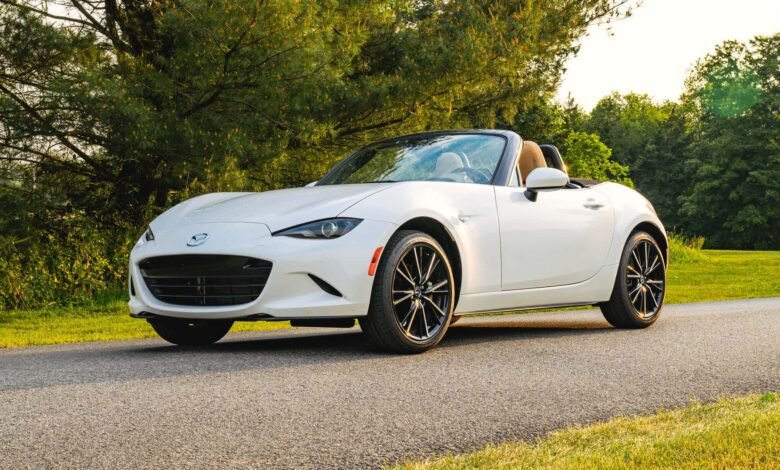
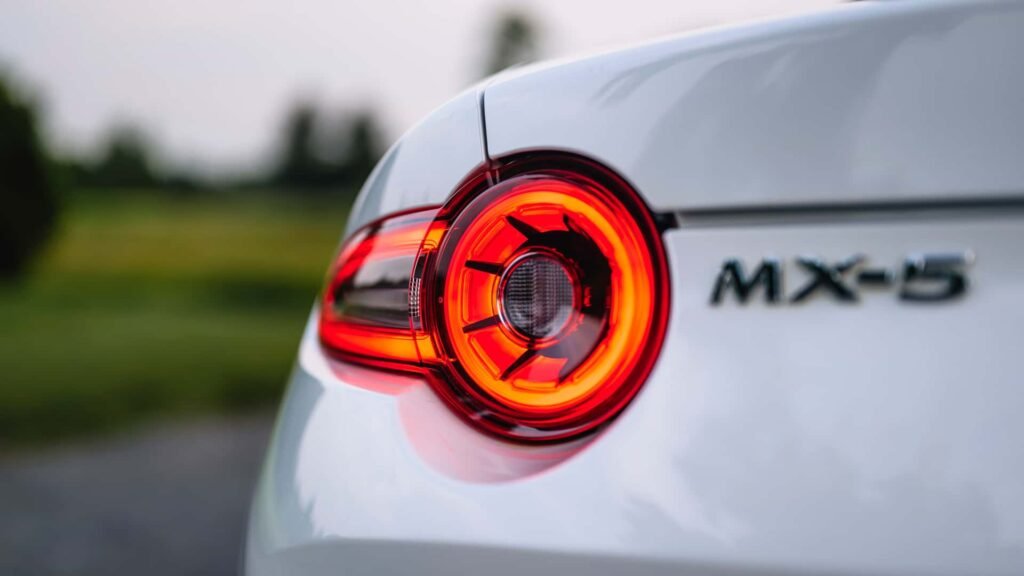
Mazda is taking a careful, enthusiast-first approach to the next generation of the Mazda MX-5 Miata, aiming to evolve the iconic roadster without losing the character that has defined it for decades.
During a recent conversation with Roberto Pietrantonio, it became clear that development of the upcoming Miata is already underway—even if the car itself is still a few years from launch. A key part of that process involves direct engagement with MX-5 communities around the world. Mazda engineers from Japan have been meeting with enthusiast groups, including in Italy, to gather detailed feedback that will help shape the future of the brand’s most beloved model.
This global dialogue spans major markets such as Europe, the United States, and Australia. Despite regional differences, one message has come through consistently: preserve the Miata’s DNA. For Mazda, that means maintaining the lightweight construction, balanced handling, and driver-focused simplicity that have always made the car special. As Pietrantonio put it, no matter how the automotive world evolves, the MX-5 should always deliver a smile behind the wheel.

Mazda’s broader development philosophy reinforces that approach. Rather than relying solely on data, the company emphasizes direct human interaction and real-world feedback. This mindset has already influenced models like the Mazda CX-60, where updates and refinements were driven by customer input.
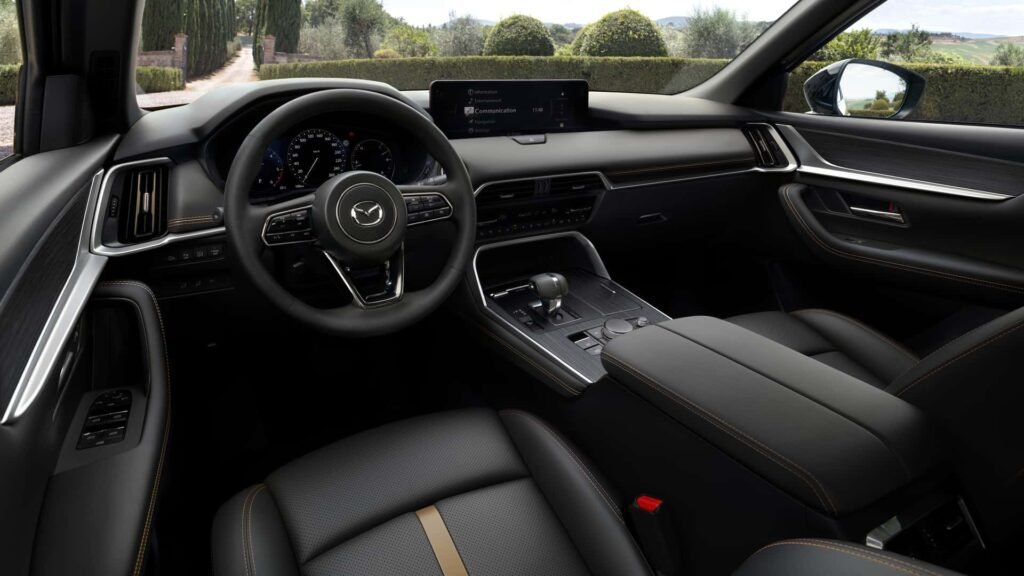
For the 2026 model year, the CX-60 receives its third round of improvements since its debut. Following the Japanese principle of continuous improvement, engineers have focused on enhancing driving dynamics, refining suspension and steering, and improving the balance between comfort and sportiness. Additional upgrades include better cabin insulation through dual-pane front glass and enhanced safety systems designed to assist in emergency situations.
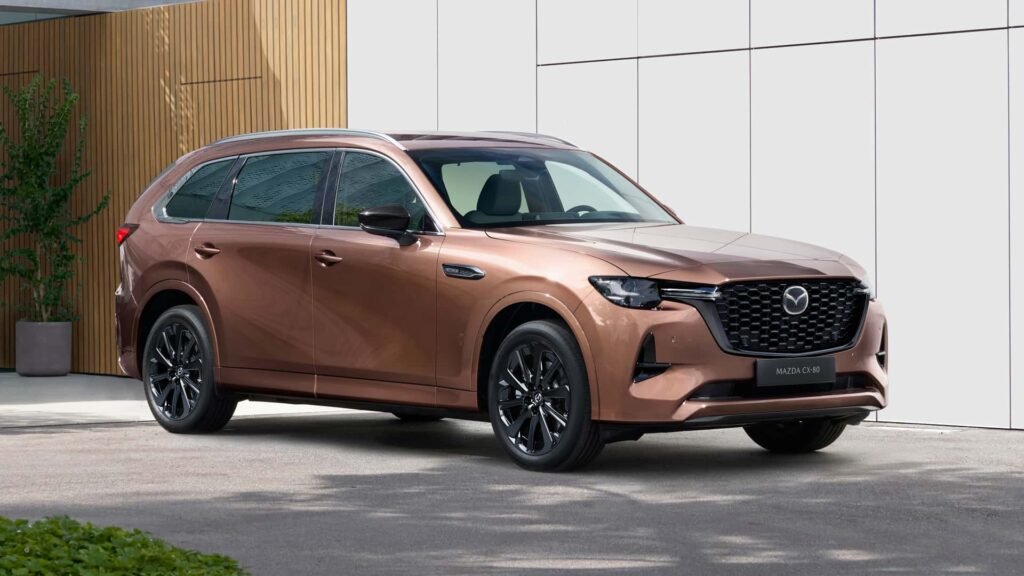
A similar path is being followed by the Mazda CX-80, which continues to evolve alongside its smaller sibling. With a longer body and available three-row seating, the CX-80 targets families and buyers needing extra space, while still benefiting from feedback-driven updates.
Powertrain strategy remains diverse. Diesel engines continue to serve high-mileage drivers seeking efficiency and long-distance comfort, while plug-in hybrid options cater to those who can maximize electric driving for daily use without sacrificing flexibility for longer trips.
Looking ahead, Italy remains a key market for Mazda, alongside other major European countries. While overall market growth may remain limited due to economic conditions, the brand expects to gain momentum with new models, including upcoming electric vehicles.
Ultimately, whether it’s refining SUVs or developing the next Miata, Mazda’s direction is clear: listen to customers, improve continuously, and above all, protect the driving experience that defines the brand.