Why Ford Walked Away from the Shelby Name—At Least for Now
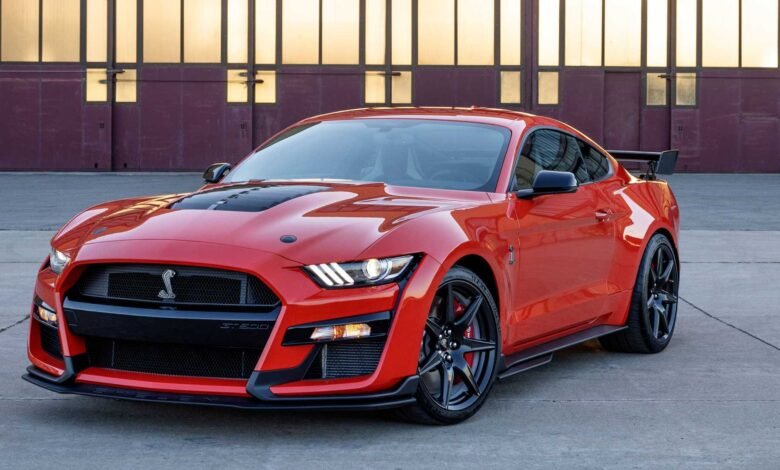
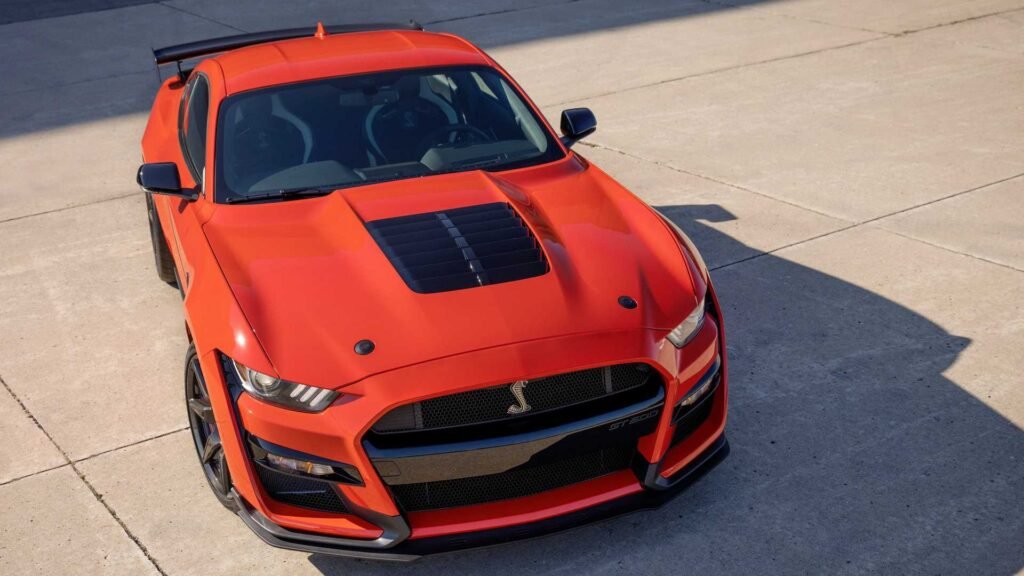
Scan the latest Ford Mustang lineup and one thing stands out immediately: the Shelby badge is gone. The last model to wear it, the Ford Mustang Shelby GT500, ended production just before the arrival of the seventh-generation S650 Mustang. For many enthusiasts, that raised a big question—where did Shelby go?
Instead of continuing the Shelby lineage, Ford Motor Company introduced a new performance identity with the Ford Mustang Dark Horse and the more extreme Ford Mustang Dark Horse SC. The latter effectively fills the role once held by the GT500, delivering track-focused performance under a new nameplate. The reasoning behind this shift is less about performance and more about business: cost.
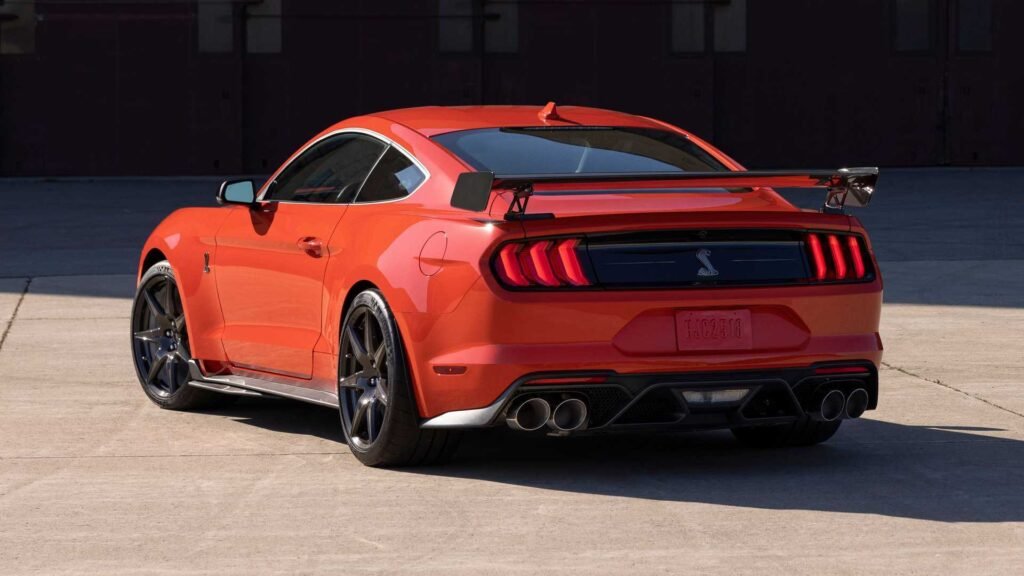
What many people don’t realize is that Ford doesn’t actually own the Shelby name. The rights belong to Shelby American, a separate company based in Nevada. As a result, Ford has to pay licensing fees for every Shelby-branded Mustang it produces.
Those fees add up quickly. Reports suggest Ford paid around $800 in royalties per car. While that may seem modest, the numbers scale fast with volume. Ford sold over 24,000 Ford Mustang Shelby GT350 and GT350R models during their run, along with more than 14,000 GT500 units between 2020 and 2022. Altogether, that translates to upwards of $30 million spent պարզապես on licensing the Shelby name—a significant cost tied to branding alone.
Will Shelby Make a Comeback?
For now, the Shelby name is absent from the S650 generation, and its return remains uncertain. While rumors have hinted at a possible comeback, Ford appears focused on building the Dark Horse identity instead.
This move also aligns with Ford’s renewed push into motorsports. Alongside the new Mustang, the company has introduced multiple race-focused variants, ranging from the stripped-down Dark Horse S to a full GT3-spec race car. There are even plans to bring the Dark Horse SC into NASCAR competition by 2027.
For the moment, Dark Horse sits at the top of Mustang performance, while Shelby remains on the sidelines. That could change down the road—but if it does, it will likely depend on whether the value of the name outweighs its cost.
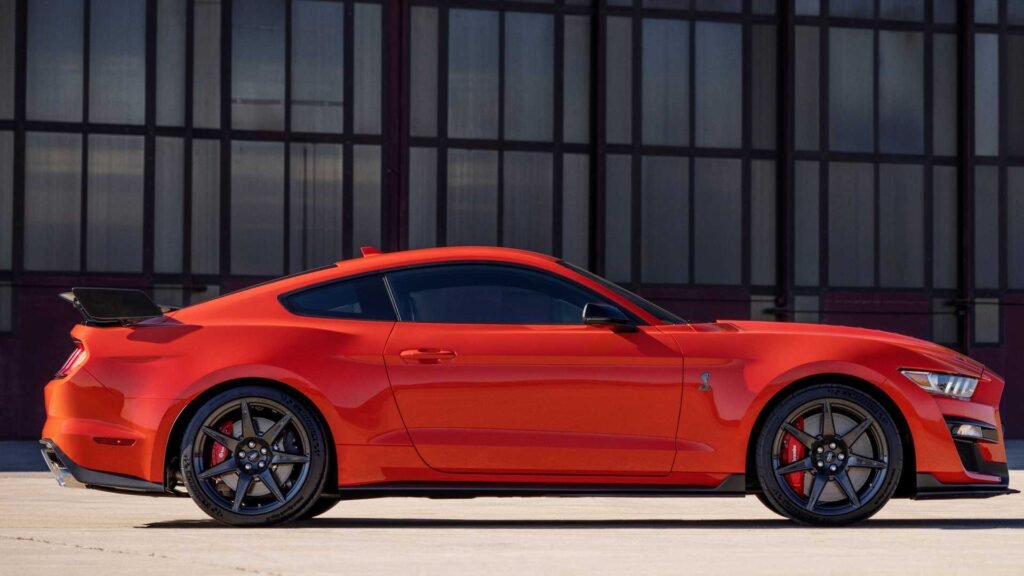
There’s no denying the legacy of models like the GT350 and GT500—they’ve become icons in Mustang history. Still, the new Dark Horse lineup proves Ford isn’t standing still. Whether it’s a temporary shift or a long-term strategy, one thing is clear: Ford is betting big on its future without Shelby.